If you are wondering what it actually feels like to live near Downtown Plymouth, the short answer is this: it is convenient, social, and easy to enjoy on an ordinary Tuesday just as much as on a festival weekend. For many buyers, that mix matters as much as square footage or finishes. When you understand the daily rhythm of the area, you can picture whether it fits your lifestyle. Let’s dive in.
Downtown Plymouth Starts With Kellogg Park
Everyday life in Downtown Plymouth centers around Kellogg Park. The City of Plymouth describes it as the center of downtown, where you can sit by the fountain, meet friends, or attend concerts and events.
The Downtown Development Authority also calls Kellogg Park the focal point for civic, social, and commercial activity. That matters because it gives the downtown a clear heart. Instead of feeling spread out, the area feels organized around one main gathering place.
The city also notes that Downtown Plymouth serves as the urban commercial district for the City of Plymouth, Plymouth Township, and Canton Township. In practical terms, that means the area draws steady activity and supports a broad mix of shops, services, and events throughout the year.
Walkability Shapes Daily Life
One of the biggest lifestyle advantages in Downtown Plymouth is how much you can do on foot. The DDA provides a downtown walking map that highlights shopping, dining, parking, and historic points of interest, which reflects just how compact and navigable the area is.
If you live nearby, a quick walk can cover more than dinner plans. You may be able to grab coffee, browse a local shop, stop by the library, and pass through the park all in one outing.
That kind of convenience changes how your day feels. Even simple errands can feel more pleasant when they happen in a walkable downtown instead of a long string of car trips.
What You Can Reach Easily
According to the downtown walking map, the core includes a wide mix of everyday destinations and local amenities, including:
- Restaurants and cafes
- Boutiques and specialty stores
- Salon and spa services
- The Plymouth District Library
- City Hall
- Fitness studios
- The Penn Theatre
- PARC, the Plymouth Arts & Recreation Complex
This mix helps downtown function as more than a place to visit. It works as both a social district and an everyday errands hub.
Parking Is Usually Straightforward
Even in a walkable downtown, parking still matters. In Downtown Plymouth, public parking is generally free, which adds to the convenience for both residents and visitors.
The DDA states that on-street parking is usually limited to two hours, while municipal lots are generally three or eight hours. Enforcement runs Monday through Saturday from 9 a.m. to 9 p.m., with no enforcement on Sundays or official holidays.
The city maintains several public downtown lots, including the Central Parking Deck, East Central Parking Lot, Penniman Parking Lot, Wing/Harvey Parking Lot, Saxton Parking Lot, Spring Street Parking Lot, and the Plymouth Cultural Center lot. For day-to-day life, that means you typically have multiple options when heading downtown.
Event Days Can Feel Different
There is one important caveat. During some events, local service clubs may manage municipal lots and charge a fee, with proceeds going to community programs.
So while ordinary days are generally simple, event weekends can bring a different rhythm. Parking and street access may shift, and downtown can feel busier and more active than usual.
Dining And Shopping Are Part Of The Routine
Downtown Plymouth offers a dense mix of dining and retail within just a few walking minutes of Kellogg Park. The DDA highlights everything from eateries and fine dining to eclectic shops and wellness services.
The current walking map lists a broad range of dining spots, including Arbor Brewing Co., Bigalora, Compari’s On the Park, E.G. Nick’s, NICO & VALI Italian Eatery, Plymouth Coffee Bean Co., The Sardine Room, and Westborn Market. That variety gives you flexibility for casual meetups, coffee runs, takeout, or a nicer night out.
On the retail side, the map includes businesses such as Bella Mia, Bohemian Home, Elephant Ear Books, Wild Rose Boutique, Old World Olive Co., and Three Dog Bakery. For residents, that creates an experience that feels more personal than a typical strip-center routine.
Why This Matters For Buyers
When you are choosing where to live, the small daily conveniences often have the biggest long-term impact. Being near a downtown where you can step out for coffee, pick up a host gift, or meet someone in the park adds flexibility to your week.
It also gives the area a lived-in feel. Downtown Plymouth is not only about special occasions. It supports the kind of ordinary routines that make a place feel comfortable over time.
Parks And Public Spaces Add Breathing Room
Although downtown is the main draw for many people, Plymouth also offers access to green space. The city says Plymouth has 16 parks, and that a portion of Hines Park lies within the city.
Inside the downtown core, Kellogg Park remains the primary gathering place, but it is not the only public point of interest. The walking map also identifies Wilcox Fountain, Wilcox Amphitheatre, Veterans Memorial Park, and the Penn Theatre as notable destinations.
That balance is part of downtown living’s appeal here. You get an active center with restaurants and events, but you also have places to slow down, sit outside, and enjoy the surroundings.
The Penn Theatre Adds Local Character
A downtown often feels more complete when it has places that bring people together beyond shopping and dining. In Plymouth, the Penn Theatre helps do exactly that.
The city notes that the Penn Theatre seats 402 and hosts current second-run movies, independent films, classic film festivals, community events, educational school field trips, and occasional live musical performances. That gives downtown an extra layer of local character and year-round activity.
For residents, it means entertainment can feel easy and close to home. Instead of planning a big outing, you may have a simple option right in the center of town.
Seasonal Events Shape The Downtown Rhythm
One of the defining parts of everyday life in Downtown Plymouth is that the atmosphere changes with the seasons. Official event materials show a strong annual cadence that keeps the area active throughout the year.
Winter brings the Plymouth Ice Festival. Spring includes the Spring Artisan Market, and from May 9 through October 18, the Plymouth Farmers Market runs on Saturdays.
Late spring through early fall is especially busy, with Music in the Air Friday Night Concerts, Plymouth Community Band concerts on Thursday nights, Art in the Park in July, and the Plymouth Fall Festival in September. The city also notes recurring staples such as children’s concerts and the farmers market, while reminding residents that event details can change.
What This Means Day To Day
If you live in or near downtown, you are not just buying into a location. You are buying into a rhythm.
Some weekends may feel lively and crowded, especially during major festivals. Other days may feel calm, local, and routine, with people grabbing coffee, running errands, or passing through the park.
That contrast is part of the appeal. You can enjoy a compact downtown in your everyday routine, then watch it become a community gathering place during signature events.
Neighborhood Streets Nearby Feel Residential
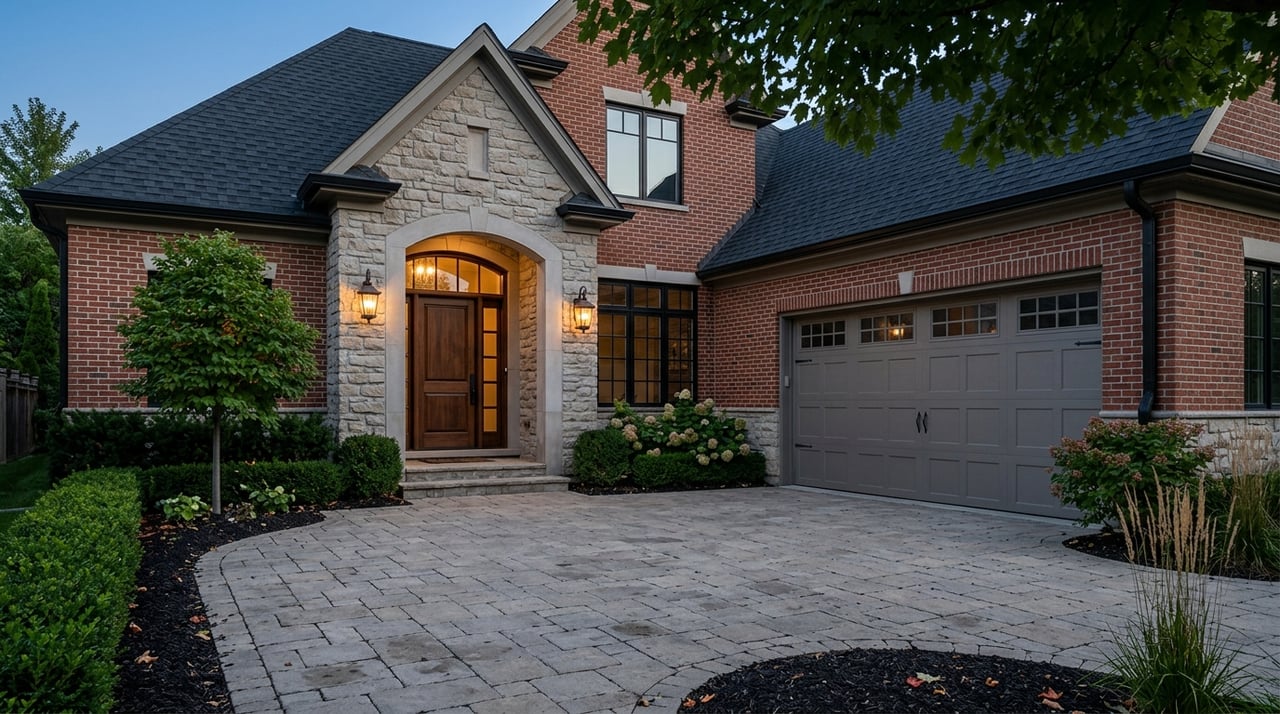
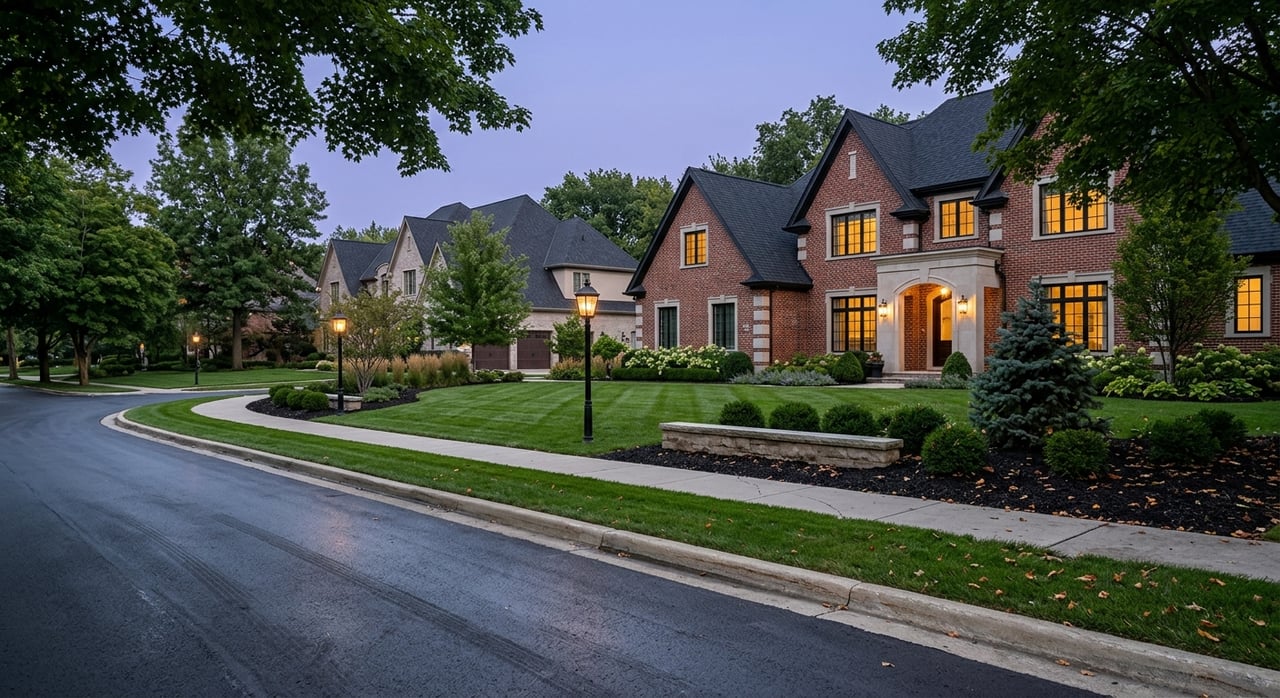
Just outside the downtown core, the city describes traditional neighborhood streets with sidewalks, mature trees, well-kept homes, parks, and playgrounds. That detail is important for buyers who want proximity to downtown without feeling like they live in a purely commercial area.
In many cases, the transition from downtown activity to residential streets is part of what makes Plymouth appealing. You can be close to restaurants, events, and public spaces while still enjoying a quieter neighborhood setting nearby.
For buyers comparing Metro Detroit communities, that blend can be a strong advantage. It offers both access and day-to-day comfort.
Why Downtown Plymouth Appeals To So Many Buyers
Downtown Plymouth stands out because it supports more than one kind of lifestyle. You might be drawn to walkability, local dining, public events, nearby parks, or simply the convenience of having daily needs close at hand.
The official city and downtown materials paint a picture of a compact center that works well on normal days and becomes especially vibrant during major events. That combination can be attractive whether you are relocating, moving up, or simply looking for a home near a downtown with a strong sense of place.
If you are considering a move in Plymouth or another premium Metro Detroit community, local insight matters. The right home is not just about the property itself. It is also about how the area fits the way you want to live. For tailored guidance on Plymouth and nearby markets, connect with Gardner & Gesch Real Estate.
FAQs
What is the center of everyday life in Downtown Plymouth?
- Kellogg Park is the main center of downtown activity, serving as a gathering place for meeting friends, sitting by the fountain, and attending concerts and events.
What is parking like in Downtown Plymouth?
- Public parking is generally free, with most on-street spaces limited to two hours and many municipal lots offering three or eight hours, with enforcement Monday through Saturday from 9 a.m. to 9 p.m.
What kinds of places can you walk to in Downtown Plymouth?
- Downtown Plymouth includes restaurants, cafes, boutiques, specialty shops, fitness studios, the library, City Hall, PARC, and the Penn Theatre within a compact walkable area.
What events shape life in Downtown Plymouth through the year?
- The official event calendar includes the Plymouth Ice Festival, Spring Artisan Market, Plymouth Farmers Market, Music in the Air concerts, Plymouth Community Band concerts, Art in the Park, and Plymouth Fall Festival.
What are the nearby residential streets around Downtown Plymouth like?
- According to the city, the areas just outside downtown feature traditional neighborhood streets with sidewalks, mature trees, well-kept homes, parks, and playgrounds.